





Why Mobile Play Fits Canada In 2026
A phone-first routine makes sense for many players in Canada. People move between work, transit, breaks, and home, so a desktop-only experience can feel too rigid. A good mobile format keeps the lobby, cashier, help section, and account tools close together without forcing you to restart your session every time you change devices.
Imagine opening the platform during a short evening break. You do not want tiny buttons, slow menus, or a confusing route back to the lobby. You want to sign in, check your balance, choose a game, and keep the session under control. That is why practical design matters more than decoration.
For Win-Spirit, the real benefit of the phone version is convenience with structure. You can check your account history on the move, return to a saved category quickly, and keep sessions shorter by design. In 2026, that balance matters more than big promises.
Setup And First Session On The Phone
The first mobile session works best when you treat it as setup, not entertainment. Start with account access, identity details, payment preferences, and safety tools before you think about the lobby. Players often skip this part, then run into friction later when they want to move money or change settings.
If you are new, open the menu and study the layout for a minute. Find the cashier, support button, promotions area, and profile controls. That short review makes later actions faster, especially when you are using the platform during a short break rather than from a desk.
Create An Account Without Friction
Registration on mobile should feel direct, not rushed. Enter details carefully, use a password you will remember, and make sure your name and contact information match your documents. Small phone-keyboard mistakes cause many avoidable problems later.
Picture a user filling out the form while standing in line for coffee. It is easy to skip a number or tap the wrong field. A better approach is to finish registration when you have five quiet minutes, then review every line once before moving on.
After the account is open, check the profile area for limits, verification, and notification settings. Mobile play feels smoother when the account side is complete from the start.
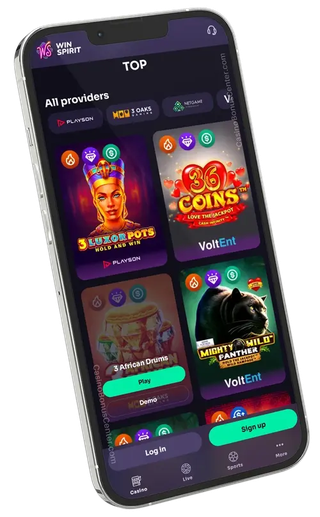
Navigation That Keeps Sessions Under Control
A strong mobile layout helps you move fast, but it also helps you avoid careless decisions. Those are different goals. Speed is about fewer taps. Control is about seeing the right information at the right time: balance, categories, support, and safer play tools.
Usually, players do best when the structure stays predictable. A visible wallet icon, a clear search tool, and a short path back to the lobby reduce confusion. When the layout changes too often, users stop choosing and start reacting.
Build a simple personal route through the interface. For example, some players check the cashier first, then their limits, then the lobby. Others review promotions before they pick a game. There is no single rule, but repeating your own route reduces mistakes.
How Deposits Usually Work On Mobile
Phone payments feel quick, which is useful, but speed can hide bad habits. Before adding funds, check the amount, confirm the method, and make sure the selected option matches your own banking or wallet details. Most problems appear when people tap through the screen too fast.
Imagine funding your account during lunch. A saved method appears, you confirm automatically, and the amount is higher than planned. A short pause before the final step can change the whole outcome.
It also helps to separate entertainment money from everyday money. On mobile, where everything happens faster, that boundary matters even more.
What To Check Before A Cashout Request
Withdrawals feel easier when the account is already tidy. Personal details should be accurate, any requested checks should be finished, and the selected route should be one you actually use. Players often focus on the request itself, but the result usually depends on preparation done earlier.
Think of a familiar situation: a player wins late at night and sends a request immediately. Then they notice an old phone number, missing document step, or outdated payment route. The request may still go through, but the process becomes slower and more stressful.
Before you submit anything, review your history, confirm your profile details, and keep screenshots of key confirmations. That is not paranoia - it is organization.
Lobby Depth And Game Discovery

A mobile lobby should not try to show everything at once. On a phone screen, overload is the enemy. What matters more is category logic: how clearly you can move between slots, live rooms, table options, new releases, and favourites.
Most players do better when they start with intent. Instead of opening the lobby and scrolling aimlessly, decide what you want from the session first. A short spin session, a slower table rhythm, or a live room with more interaction all require different choices.
Imagine you have only twenty minutes before bed. If you open the platform without a plan, you may spend half that time browsing banners. If you enter with a clear idea, you reach the right section faster and stay closer to your own time limit.
Search, filters, and favourites matter more than many people expect. A saved list reduces random browsing, and filters help you narrow the field without getting lost.
Mobile Task | What To Review First | Why It Helps |
|---|---|---|
Account setup | Personal details and contact fields | Reduces later interruptions |
First payment | Amount, method, and balance plan | Keeps spending intentional |
Session start | Preferred category and time window | Cuts aimless browsing |
Cashout request | Profile accuracy and transaction log | Makes processing smoother |
Support contact | Issue summary and screenshots | Speeds up problem solving |
Responsible Play Tools That Matter
The most useful mobile feature is not always a game filter or a payment shortcut. Often, it is the set of tools that helps you manage your own pace. Deposit caps, session reminders, cooling-off periods, and self-exclusion options are part of the real product because they shape how you use everything else.
If phone play makes you more impulsive, answer that with structure. Set limits before a session begins. Decide how long you want to play, how much you are ready to spend, and what result means the session is over. Doing this after emotions appear is much harder.
A simple scenario explains why. You start with a small balance and plan to play for thirty minutes. The session swings, an hour passes, and your attention narrows. Without reminders or preset boundaries, the phone becomes a tunnel. With limits in place, the platform itself helps bring you back to the plan.
This matters in Canada because access does not remove responsibility. The platform may be available to adults of legal age where it operates, but the player still has to manage time, money, and mood.
Timeouts, Limits, And Reality Checks
A timeout is useful when you need immediate distance. It does not require a crisis. Sometimes you simply notice that sessions are getting longer or your mood is too tied to short-term outcomes. A short pause can reset the pattern before it gets worse.
Limits are different. They work best when you still want to play, but within boundaries set in advance. Daily, weekly, or monthly caps remove negotiation from the middle of the session.
Reality checks are especially useful on mobile. A phone session can blur into the rest of the day, so reminders about time or activity help pull the session back into view.
Support That Saves Time
Support quality becomes obvious on mobile because players usually ask for help when they are already irritated. The cashier does not load, a confirmation is delayed, a document step is unclear, or a game closes unexpectedly. At that moment, nobody wants a maze of menus.
Good support starts before the message is sent. Write down the problem in one sentence, note the time it happened, include the payment method or game category if relevant, and keep screenshots ready. Usually, the clearer the first message, the fewer extra exchanges you need.
Imagine your payment screen freezes after confirmation. Many users panic and send several vague messages through different channels. A better move is to pause, check your balance and history, take one screenshot, and describe the issue clearly.
When Live Help Beats Email
Live chat is often best for immediate friction: login trouble, stuck pages, missing confirmations, or navigation problems. It fits mobile use because the issue is happening now, on the same device in your hand.
Email usually works better for longer explanations, attachment-heavy cases, or issues that may need review over time. If you are dealing with identity checks or transaction history, a single thread gives more structure.
A common mistake is emotional overexplaining. Keep the first message short: what happened, when it happened, what you already tried, and what result you need.
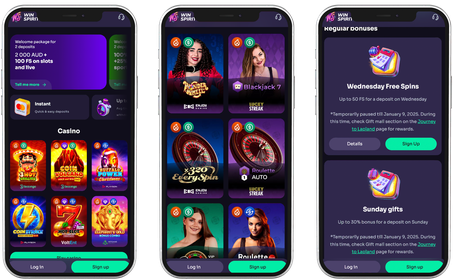
A Practical Mobile Routine For Long-Term Use
The strongest mobile experience is not built in one session. It comes from a repeatable routine. Open the platform with a purpose, check your balance, review any limit you set, enter a specific category, and stop when your planned endpoint arrives.
Many players think discipline means constant restraint. In practice, it often means removing unnecessary decisions. Keep one main payment method. Save a shortlist of preferred games. Decide in advance when you will not play - for example, when tired, frustrated, or trying to recover losses.
Picture two players. One opens the platform randomly, scrolls without a plan, changes categories every few minutes, and treats the cashier like an impulse button. The other arrives with a budget, a time window, and a preferred game path. They may use the same platform, but they are not having the same experience.
In 2026, that is the real standard for a good phone-based platform in Canada: not just access, but usable structure. Win-Spirit fits best when the player treats payments, support, and safer play tools as parts of one connected routine.