





A Win Spirit Casino Review For First-Time Visits
In 2026, most readers want to know one thing first: does the platform feel usable after a few minutes, or does it create friction right away? That first check is more important than any slogan. A clear menu, visible balance, readable cashier, and simple navigation usually tell you more than a long sales pitch.
For adults in Canada, access is generally framed around local rules and legal-age entry. So the useful approach is practical: review the account flow, inspect payment sections, and see whether help and control tools are easy to find before you spend anything. Imagine opening a new account during a short break - if the logic feels clear immediately, that is already a positive sign.
First Steps After Opening An Account
Most players start with the same routine: register, open the profile, check the cashier, then browse categories. That small sequence shows whether the platform is organized or messy. If balance history, support, and settings are hidden, confusion usually appears later during deposits or cash-outs.
A smarter first move is to pause before funding the account. Check your name, contact details, and security options. Usually players rush this part, then discover later that one small mismatch blocks a smooth payment flow.
What The Lobby Feels Like On Day One
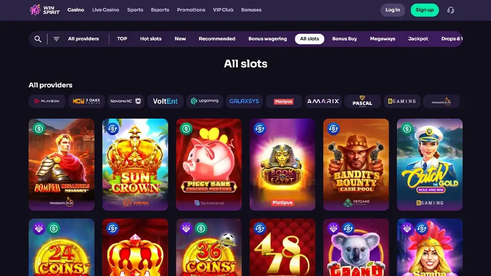
The lobby should help you choose quickly. Good filters separate short sessions from longer play, familiar mechanics from newer formats, and casual entertainment from something more involved. When search and categories work well, the whole experience feels calmer.
Picture someone logging in after work with only twenty minutes free. They want to find a title fast, not fight the menu. That is why category design matters more than flashy banners.
Registration, Verification, And Getting Ready To Play
Creating an account is rarely complicated, but small details decide whether it stays smooth. Name format, date of birth, contact confirmation, and currency choice all matter because they affect payments later. Fill in the profile carefully once instead of treating it as something to fix later.
Some users sign up quickly from a phone, then return from a laptop and cannot remember what they entered. That is where avoidable errors start. A better routine is simple: complete the profile in one sitting, check each field, and save only when everything matches.
Verification usually matters most around payments or account security. That does not automatically signal a problem. It often means the system wants consistency between personal data and the banking method. Keep documents readable, avoid cropped photos, and use a payment method in the same name as the account holder.
Why Small Setup Choices Matter
Tiny choices influence the whole experience. Ignoring security options, skipping limits, or turning on every notification can make a simple session feel chaotic later. Usually players focus on games first and controls second, but the safer order is the opposite.
If you already know your usual pattern - for example, short evening play - set that structure early. A platform feels more reliable when it supports planning instead of guesswork.
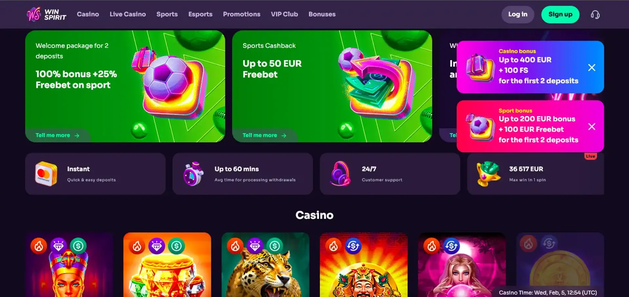
How Win Spirit Reviews Frame Everyday Use

The most useful player feedback is often about routine, not hype. After the first deposit, people start asking practical questions: can they move between games and the cashier without losing track of the balance, can they find recent activity fast, and do account tools stay visible once the first excitement is gone?
Imagine a player who returns three evenings in a row. Day one is about curiosity. Day three is about convenience. If the second and third visits feel easier than the first, the platform is doing something right.
Bonuses Without Guesswork
Promotions should be read as processes, not promises. Ask what action is required, which type of play the offer suits, and whether it matches your real schedule. If an offer only makes sense for someone willing to spend hours meeting conditions, it may not fit a player who prefers short, controlled sessions.
A common mistake is activating everything at once. That usually creates clutter. One measured choice is better: read the terms, check whether the games fit your style, and decide whether the extra steps are worth it.
Game Selection And Session Planning
A strong library is not just about size. It is about matching different moods to different formats. Some people want quick entertainment with familiar mechanics. Others want longer rounds or live tables. A practical platform helps both without making either group search endlessly.
Session planning can be basic: choose a time limit, a spend limit, and a game type before you begin. For example, a player may pick a short phone session after dinner or a longer desktop session later at night. That small plan changes how the platform feels.
Reading The Cashier Before You Commit
The cashier often reveals how transparent the platform really is. Clear minimums, maximums, method labels, and status updates help users stay in control. If key information is hidden behind too many clicks, uncertainty grows quickly.
Usually players inspect this area only when they need a payout, but it is smarter to read it before the session starts. Imagine ending a winning session and realizing you do not understand the payout path - that is exactly the moment early preparation pays off.
Payments, Limits, And Withdrawal Habits
Money handling shapes trust more than headlines do. People can forgive a busy homepage, but they rarely forgive confusion around deposits or cash-outs. The best approach is methodical: choose one payment route you already understand, keep account details consistent, and treat the first transaction as a small technical test.
Many users complicate things by switching methods too often. They fund the account one way, request a payout another way, and then wonder why extra checks appear. As a rule, consistency is easier to manage.
Banking Task | Common Choice | Why Players Pick It | What To Check First |
|---|---|---|---|
Adding funds | Card or e-wallet | Quick start and familiar flow | Minimum amount, currency, and pending status |
First cash-out | The method linked to prior funding | Fewer mismatches during review | Name match, profile accuracy, and limits |
Budget control | Pre-set account restrictions | Keeps sessions predictable | Reset timing and effect on open play |
Support follow-up | Chat or message form | Clear record of the issue | Transaction time, amount, and screenshots |
Separate emotion from process. After a strong session, do not rush through the payout screen or test random new methods. Submit the request carefully, confirm it appears in account history, and keep the details handy in case support needs them.
Building A Simple Cash-Out Routine
The easiest routine is also the least exciting: one main funding method, a complete profile, and patient review of every request. That boring structure usually works because it leaves fewer variables to untangle.
As with any digital payment flow, timing can depend on method, day, and account checks. Instead of guessing, document each step. A calm player with exact details usually gets clearer help than someone who only says the money has not arrived.
Responsible Play And Account Control
A modern platform should not rely on willpower alone. Deposit caps, session reminders, temporary pauses, and stronger restrictions give users visible boundaries before emotions take over. That matters because a plan is easier to follow when the account tools support it.
Imagine someone who intends to play only on weekends but keeps logging in during the week out of habit. Without controls, that pattern can grow quietly. With controls, it becomes easier to interrupt early.
Responsible play also means reading your own behavior honestly. Are sessions getting longer without a reason? Are you increasing deposits to chase losses? Those questions matter more than promotional language because they show whether the experience still fits your goals.
Timeout, Limits, And Self-Exclusion
Short breaks help when frustration or fatigue starts shaping decisions. They are useful after losses, but also after a lucky run when overconfidence appears. Many players think about control tools only when things go badly, yet the best time to set them is when you feel calm.
Longer restrictions are for stronger separation. If your budget keeps breaking or the routine stops feeling healthy, firmer barriers make more sense than promising to do better next time. In serious cases, full account exclusion should be treated as a real protective step, not a minor setting.
Support, Mobile Access, And Daily Convenience
Support quality becomes visible when something small goes wrong: a payment label looks unclear, a game freezes, or a verification notice appears without enough context. Good support does not need perfect wording. It needs to answer the question clearly and explain the next step.
When you contact support, structure matters. Write the issue in one sentence, then add the amount, the approximate time, the method used, and what you already tried. Imagine sending only “please help” - that usually slows everything down.
Mobile access changes how people use the platform. Phone sessions are often shorter and more reactive, so buttons, menus, and balance history need to stay readable on a smaller screen. Many players like to browse or play briefly on a phone, then handle more detailed tasks from a larger device.
Daily convenience is what usually decides whether someone returns. Not the slogans, not the banners - the routine. Sign in, find a game, manage the balance, ask for help, and leave when planned. When those basics work, confidence tends to follow.